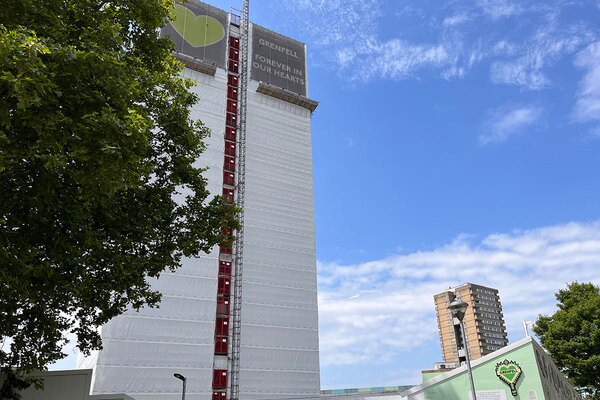

According to a report by the Financial Times, the Royal Borough of Kensington and Chelsea has initiated a series of high-value lawsuits against several companies involved in the refurbishment of Grenfell Tower. The legal actions seek to recover more than £360 million in damages and interest linked to the devastating 2017 fire that claimed 72 lives.
Court filings seen by the Financial Times reveal that the council is pursuing multiple High Court claims against suppliers, contractors, and consultants it alleges were responsible for failings that contributed to the catastrophic spread of the blaze. These proceedings are among the most significant in value brought in recent years across England and Wales.
Companies named in the claims include:
-
Arconic Architectural Products – manufacturer of the aluminium composite cladding panels,
-
CEP Architectural Facades – fabricated the cladding components,
-
Harley Facades – responsible for installing the external façade,
-
Celotex – supplier of insulation materials,
-
Rydon Maintenance – main design-and-build contractor for the refurbishment,
-
Artelia Projects UK – acted as the employer’s agent for the project.
According to the FT, the total damages being sought amount to £358 million, with further claims for interest. Losses detailed in the filings include £129 million for property acquisition and refurbishment, £47 million in temporary housing costs, £41 million in staffing expenses, and nearly £18 million in hardship and support payments. Additional costs cited include approximately £1 million for fire marshals.
In a statement reported by the Financial Times, the council said:
“We have issued legal proceedings against a number of companies, in line with the council’s ongoing commitment to ensure those parties pay a share of the costs incurred against the public purse.”
The council’s Tenant Management Organisation (TMO), which oversaw Grenfell Tower at the time of the fire, is also listed as a claimant in the lawsuits.
The Grenfell Tower fire, which broke out on June 14, 2017, began in a fourth-floor flat and rapidly engulfed the building due to the combustible external cladding. The public inquiry into the tragedy, chaired by Sir Martin Moore-Bick, concluded that the refurbishment turned the tower into a “death trap”, citing systemic failures across both public and private sectors.
The inquiry also found serious shortcomings within Kensington and Chelsea’s building control department, which failed to ensure the refurbishment met statutory safety requirements. The works, completed in 2016, were undertaken largely to improve the building’s visual appearance, particularly in a borough marked by both extreme wealth and significant deprivation.
While each company being sued had a distinct role, the council argues that their collective failings allowed the fire to escalate with tragic consequences. Legal defences from the companies involved have not yet been filed, though several have expressed condolences and acknowledged past issues—while continuing to deny legal liability.
Responses from those named in the lawsuits, as reported by the FT, vary. Arconic has acknowledged its role as a material supplier but disputes the claim that it provided an unsafe product. Rydon, through legal representatives, has argued it relied on specialist subcontractors. Other parties, including Celotex, Artelia, Harley Facades, and CEP Architectural Facades, have either declined to comment or stated that their involvement was limited.
The Royal Borough of Kensington and Chelsea has publicly accepted the findings of the inquiry and issued an unreserved apology. The council says it has since overhauled its internal operations, including substantial reforms to its building control systems.
Source: Financial Times – April 2025
