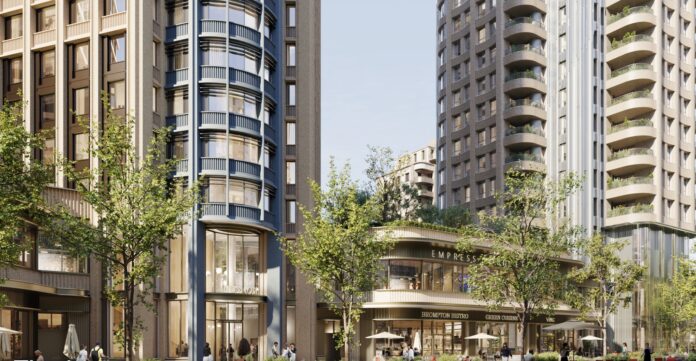

Designing tall buildings for longevity, adaptability and lower carbon impact must be a priority for the industry, according to Alan Shingler, Partner and Chairman at Sheppard Robson.
Tall buildings must be designed to stand the test of time, with greater consideration given to their environmental impact and the communities surrounding them.
Speaking to Tall Buildings Media at the Tall Buildings London Summit 2026, Alan Shingler highlighted the importance of creating buildings that can adapt to changing requirements throughout their lifespan, particularly as the industry looks to reduce embodied carbon and deliver more sustainable developments.
Shingler believes that the way tall buildings meet the ground is particularly important. Rather than focusing solely on the building itself, designers should consider how developments interact with their surroundings and contribute to the wider public realm.
He emphasised the value of creating open spaces and flexible environments that can evolve alongside the needs of the local community. This could include areas that can be repurposed over time, whether for gardens, public spaces or other uses.
The materials used in construction are another important consideration. Shingler advocated a lighter footprint for tall buildings, with low-carbon materials used around the edges of developments that can be dismantled, adapted and changed as the building’s requirements evolve.
He also reflected on the value of bringing the industry together, describing the Summit as an opportunity to hear different perspectives, share expertise and encourage meaningful discussion across the sector.
Watch the full interview with Alan Shingler here.
